“Shared language” is one of those phrases that sounds good in theory but can feel unclear in practice.
Schools hear it often. Programs promise it. Staff generally agree it matters.
But what does shared language actually look like during an ordinary school day?
For shared language to help students, strengthen prevention and reduce the likelihood of conflict or aggression escalating, it must be more than a phrase used in planning meetings. It needs to appear in the real moments of school life, in classrooms, in the playground, during support conversations, and in the way adults respond when things begin to go wrong.
Why shared language matters.
Many schools already teach students important wellbeing and behaviour skills.
The challenge is that the messages can become fragmented. Different classes may emphasise different skills, staff may use different phrases and students may hear one message during a lesson and another in the middle of a conflict.
When language changes from one adult to another, students must first work out what is being asked of them before they can respond.
That becomes particularly difficult when emotions are high, peer pressure is increasing or a situation is moving quickly.
Shared language helps remove that additional layer of uncertainty.
It gives students familiar words, clear expectations, and a recognisable next step.
What shared language is not.
Shared language is not simply a poster on a wall.
It is not a list of school values that is rarely referred to in the moment.
It is not one teacher using a helpful phrase while other adults use completely different language.
And it is not a once a term reminder at assembly.
Shared language becomes useful when students hear the same cues often enough that they become familiar and easy to recognise. The language needs to be simple, repeatable, linked to action, and reinforced by adults in real situations.
What it sounds like in practice
The most useful shared language is short, calm, and practical.
It gives students a clear next step. Without requiring a long explanation at the very moment when they may be least able to process one.
A school might use a simple sequence such as:
pause → notice what is happening → choose a safe action → get help if needed
In practice, that might sound like:
- “Pause first.”
- “What is your body telling you?”
- “What is your safe next step?”
- “Take a moment before you respond.”
- “Can you use your words, walk away, or get help.”
- “Who is a safe adult you can ask?.”
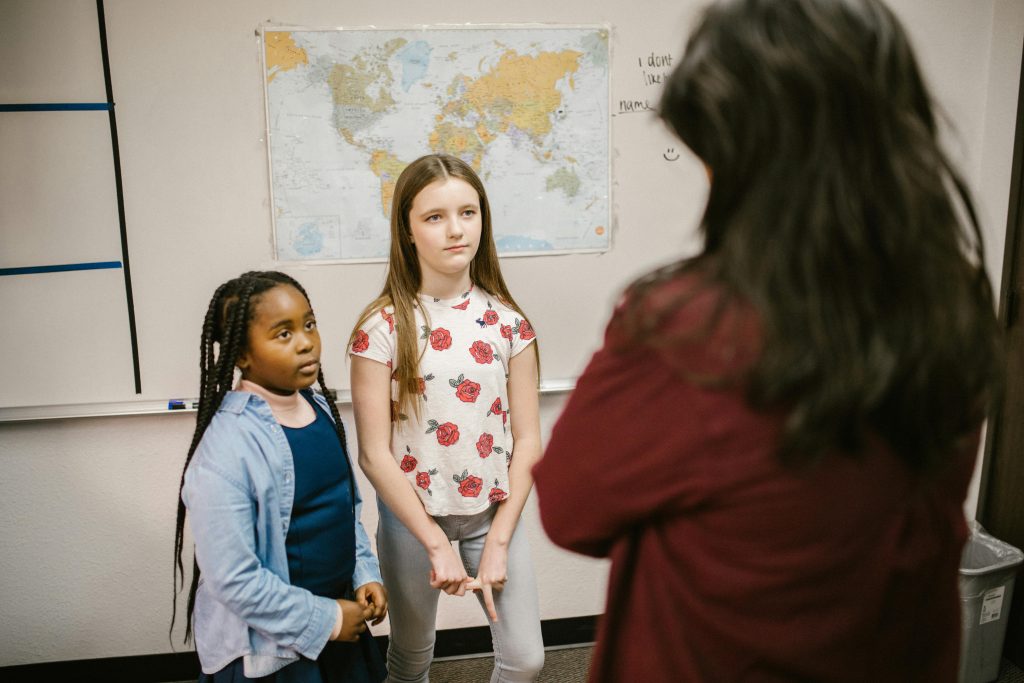
In the playground and adult might say:
- “Pause and step back.”
- “Choose a safe action.”
- “Walk away and get help early.”
- “What is the next safe move here?”
As the language becomes familiar, students may begin to use it themselves:
- “I need a moment before I answer.”
- “I’m going to walk away and get help.”
- “My body is telling me I’m getting worked up.”
- “I need help before this gets worse.”
The exact wording will vary between schools. What matters is that students hear consistent prompts from different adults, understand the action connected to them and eventually begin using the language independently.
Why it helps students.
Students are more likely to use a strategy when they can recognise and recall it quickly.
This matters most when emotions rise, judgement drops, peer pressure increases, or a disagreement begins to escalate.
Shared language can help students:
- recognise what is happening sooner
- identify a safe next step
- remember the strategies they have already practised
- hear a consistent message from different adults
- seek help before a situation escalates
- return to learning without everything needing to be explained again
It also supports staff. When adults work from the same language, they spend less time improvising and are better able to reinforce the skills students have already been taught.
How schools can embed shared language
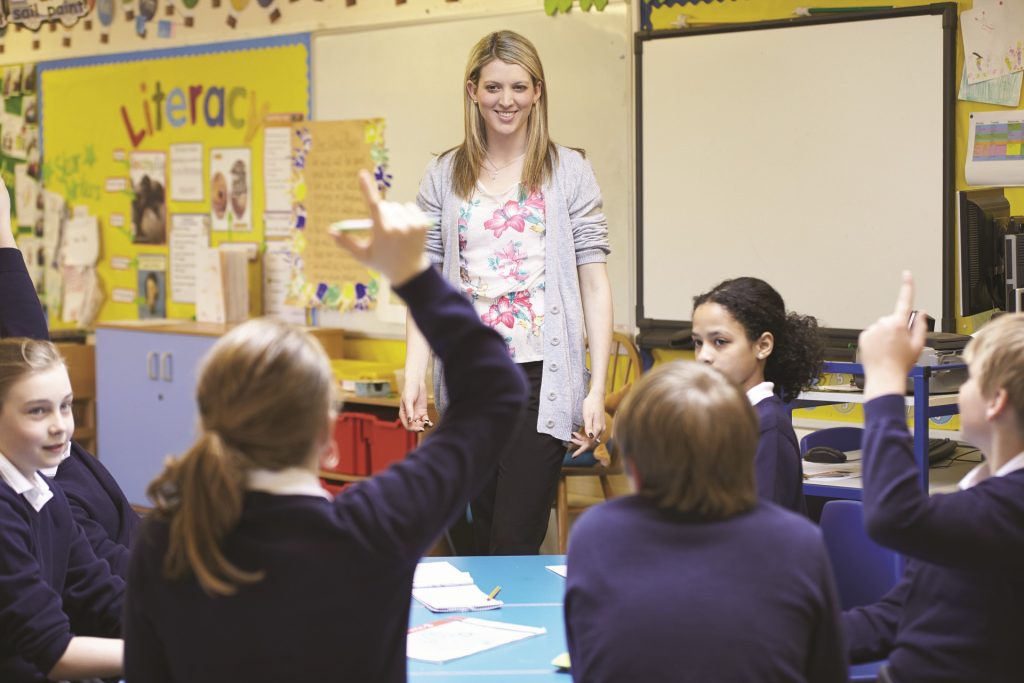
Shared language becomes much more powerful when it forms part of a consistent whole school approach.
Often, this is less about introducing more language and more about reducing unnecessary variation.
A practical starting point is to:
- agree on a small number of core prompts linked to clear actions
- teach and model the language explicitly
- practise the strategies during calm moments, not only when conflict occurs
- use the same prompts across classrooms, playgrounds and support settings
- ensure casual, specialist and support staff understand the language
- help families understand and reinforce the language where appropriate
- notice whether students understand and begin using the prompts themselves
Language alone is not enough. The strategies behind it must be taught, practised and reinforced in different situations.
Repetition builds familiarity. Familiarity builds confidence. With practice, students become better able to draw on those strategies when they are needed.
How schools tell whether it is working
Formal evaluation remains important, but schools may also begin to notice practical signs that their shared language is becoming embedded.
These can include:
- students responding to prompts more readily
- students naming or using familiar strategies themselves
- students seeking help earlier
- students returning to learning more readily after a disagreement
- adults spending less time re-explaining expectations
- staff responses becoming more consistent across the school
- familiar language appearing in classrooms, playgrounds and support conversations
The value of shared language is not simply that a school sounds more consistent. It is that important skills become easier for students to recognise, recall and use in real time.
The bottom line
Shared language is not about sounding polished.
It’s about making expectations clearer, adult responses more consistent, and practical strategies easier for students to use.
When every adult uses different language, students must first interpret what is being asked of them.
When the language is shared, students can focus on their next safe action.
That is what makes shared language powerful. Not because it is new but because it is taught, practiced and repeated.
Putting shared language into practice
The Pat Cronin Foundation’s Be Wise Primary Program gives schools a consistent, age-appropriate language for teaching and reinforcing emotional regulation, respectful behaviour, conflict management, help seeking and safe decision-making from Prep to Year 6.
Through shared tools such as THINK, PAT (Pause, Accept, Think) and Pause, Walk Away, Get Help, students encounter the same practical strategies across year levels, classrooms and playgrounds.
This consistent, whole school approach helps students move beyond simply knowing what they should do, and towards using those skills when they are needed most.
Explore the Be Wise Primary Program and discover how it could support your school.