Schools budget for staffing, curriculum, resources, intervention, and student support.
But there is another cost that quietly compounds across the year and rarely appears on a spreadsheet: lost learning minutes.
Not the obvious moments – a major playground incident, a classroom blow-up, or a serious wellbeing concern.
The larger cost sits in the accumulation: delayed lesson starts, resets after conflict, teacher attention pulled away from instruction, and the repeated time spent calming, redirecting, repairing, explaining, and starting again.
These minutes add up. And when they happen often enough, they become more than a behaviour issue. They become an instructional issue.
For example
A small disagreement in the yard can follow students back into the classroom. The lesson starts late, attention is divided, and staff spend time helping students calm, explain, repair, and re-enter learning. On its own, it may seem minor. Repeated across days and classes, it becomes lost learning time.

The cost schools absorb every day.
Recurring conflict affects far more than the students directly involved.
It slows transitions, changes the tone of a classroom, drains teacher energy, and shifts attention from teaching to managing. It creates follow-up conversations, increased playground supervision, wellbeing check-ins, leadership time, family communication, and repeated teaching of expectations.
Most schools recognise the visible incident. What is easier to miss is the ripple effect around it.
A five-minute disruption can become fifteen minutes of lost focus. A playground issue can trigger a classroom reset. A recurring pattern can begin to shape the rhythm of a class, a team, or an entire year level.
Lost learning minutes are a school improvement issue.
When students are frequently dysregulated, reactive, or unsure how to recover from conflict, the result is not only more difficult behaviour management – it is reduced learning time.
That makes prevention far more important than it can sometimes appear.
Prevention is not simply a wellbeing add-on. It is one of the ways schools protect instructional time, strengthen classroom conditions for learning, and reduce avoidable strain on staff.
The more confidently students can recognise escalation early, regulate emotions, choose safe actions, seek help sooner, repair relationships and re-enter learning faster, the less time schools lose to recurring disruption.
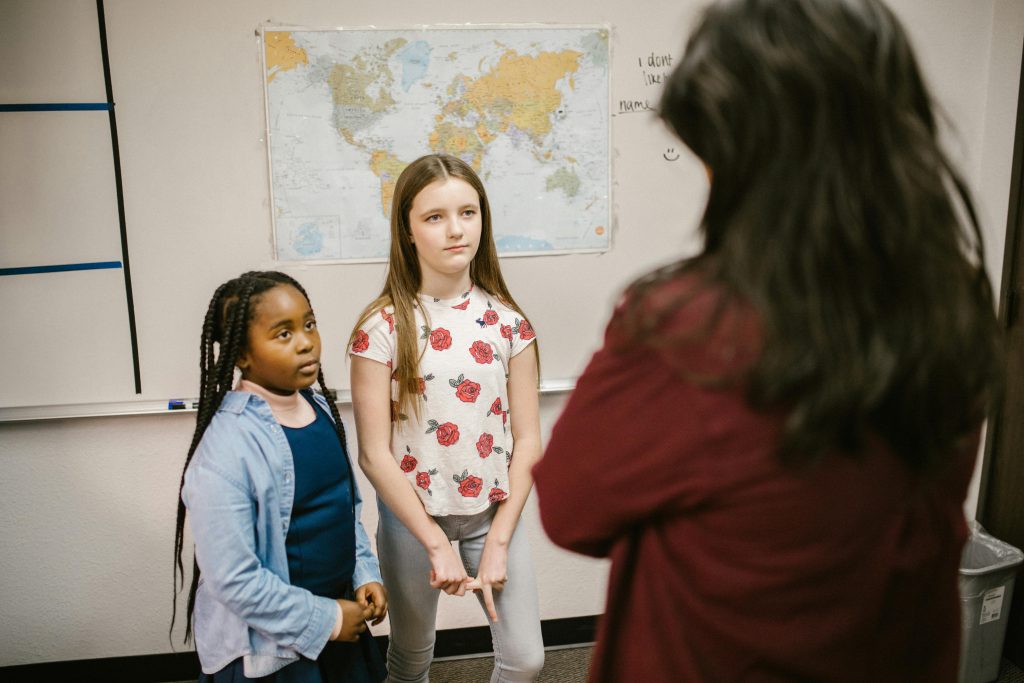
What prevention actually looks like in schools.
Prevention is sometimes misunderstood as posters, reminders, or general encouragement to “be respectful.”
But prevention works best when it is explicit. Students need to be taught what to do before a moment becomes messy.
In practice, that means:
- shared language used across the school
- simple steps students can remember under pressure
- repeated teaching that builds emotional and behavioural skills
- staff reinforcing the same expectations in classrooms, the yard and everyday interactions.
Prevention also protects staff capacity.
Lost learning minutes are not only about timetable efficiency. They are also about staff load.
Frequent low-level conflict asks a great deal of teachers, wellbeing staff and leaders: constant vigilance, repeated redirection, emotional energy, follow-up conversations, documentation, restorative work, and the ongoing effort to remain calm, relational, and consistent.
That is why prevention needs to be realistic to implement.
If the teaching is ready to go, the language is clear, and reinforcement can happen within daily practice, schools are much more likely to sustain the work over time.
What leaders and staff should expect to see.
When prevention is taught consistently, the gain is rarely one dramatic overnight shift.
It is something steadier – and ultimately more valuable.
Schools may begin to notice smoother transitions, fewer repeated resets, quicker recovery after conflict, more consistent staff language, students seeking help earlier, less reactive behaviour in the moment, and calmer classrooms that are easier to teach in.
These are not just wellbeing outcomes. They are learning outcomes.
Every minute recovered from avoidable conflict is a minute returned to attention, instruction, and participation.
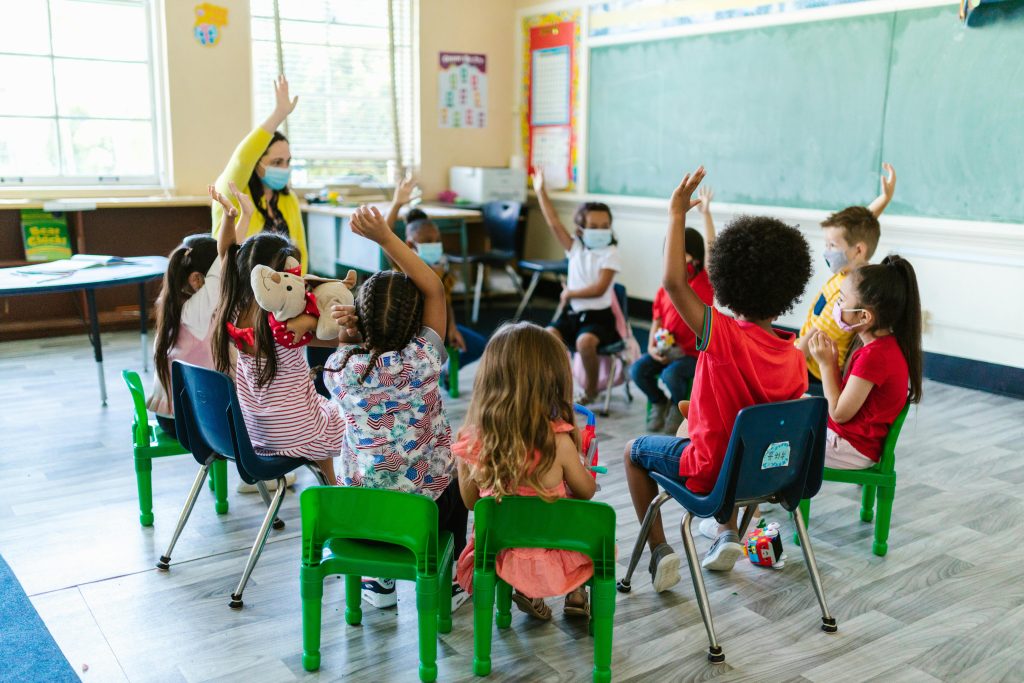
How the Be Wise Program supports this work.
Programs like the Pat Cronin Foundation’s Be Wise Program support this work by giving schools practical, age-appropriate lessons and shared language to teach students how to recognise conflict earlier, make safer choices, repair harm, and return to learning sooner.
The bottom line.
The question is not whether conflict can be resolved entirely. It cannot.
The question is whether schools are building the skills and consistency that reduce how often conflict escalates, how long it lasts, and how much learning time it takes with it.
That is what prevention actually looks like: not a slogan, not a one-off response, but a clear, teachable, repeatable approach that helps students act earlier, recover faster, and return to learning sooner.
Nadine Foster Education Manager, Pat Cronin Foundation