Even as adults, many of us still struggle to pause, name what we’re feeling, and respond calmly when emotions run high. Now imagine being four, six, or nine years old and facing those same big feelings for the very first time.
Whether you’re a teacher supporting students in the classroom or a parent guiding learning at home, the challenge is often the same: helping children make sense of their emotions so they can learn, connect, and thrive.
When belonging comes first, learning follows
From my time as a classroom teacher, parent, and now as an Education Manager, I’ve seen firsthand that students learn best when they truly feel they belong—when they feel happy, seen, safe, and heard by both the adults and the peers in their world.
This isn’t just professional intuition; Australian research supports it. The Australian Institute for Teaching and School Leadership (AITSL) highlights that strong wellbeing and positive relationships in schools are closely linked to improved engagement, behaviour, and learning outcomes.
When students feel emotionally safe, they are more willing to:
- take risks in their learning
- ask for help
- persist through challenges
- support one another
Belonging isn’t a nice-to-have; it’s the foundation for learning.
A moment that changed my practice
I still remember a student who arrived in my grade carrying a reputation that followed him everywhere. He was often dysregulated and easily targeted by other students because they knew how quickly he could be pushed into trouble. By the time he came to me, his reactions had come to define him more than who he truly was.
But beneath that reputation was a great kid—funny, full of life, and deeply sensitive to what was happening around him. When learning or the classroom became overwhelming, he didn’t have the language or the strategies to cope. Chairs would be pushed, objects thrown, and eventually he would storm out because everything felt too much.
From the moment he joined my class, I knew I wanted to support him differently. Together, we began putting simple supports in place:
- building a trusting relationship
- setting small, achievable goals
- celebrating progress
- using consistent positive reinforcement
Most importantly, we worked on giving him the words to explain what was happening inside him, and safe strategies to use when emotions ran high.
Months later, hearing him say, “I need a minute, I’m feeling angry,” instead of storming out was a powerful reminder of what happens when children are given the tools to understand and work with their emotions.
That moment reinforced what I had come to believe: behaviour doesn’t change through punishment or control, but through understanding, connection, and skill-building.
Why starting early matters
National data from the Australian Institute of Health and Welfare indicates that approximately one in four secondary school-aged students experience mental health difficulties, with anxiety and emotional distress most prevalent during adolescence (AIHW, Australia’s Children; Mental Health of Children and Adolescents).
These challenges rarely appear overnight. They are often connected to how well young people have learned, over time, to:
- understand their emotions
- regulate stress
- seek support
- navigate relationships
That’s why emotional learning doesn’t begin at the classroom door.
It begins at home, in the early years, and it grows through school.
The emotional foundations: Ages 0–5
Long before formal schooling, children are already building their emotional toolkit.
From ages 0–5, children begin learning how to:
- recognise and express emotions
- respond to others
- manage frustration
- build relationships with the people around them
These early years shape whether the world feels safe and whether emotions are understood. When parents and early learning settings model calm communication, empathy, and problem-solving, children learn that emotions are manageable and that support is available when things feel hard. This creates a strong emotional foundation that schools can build on.
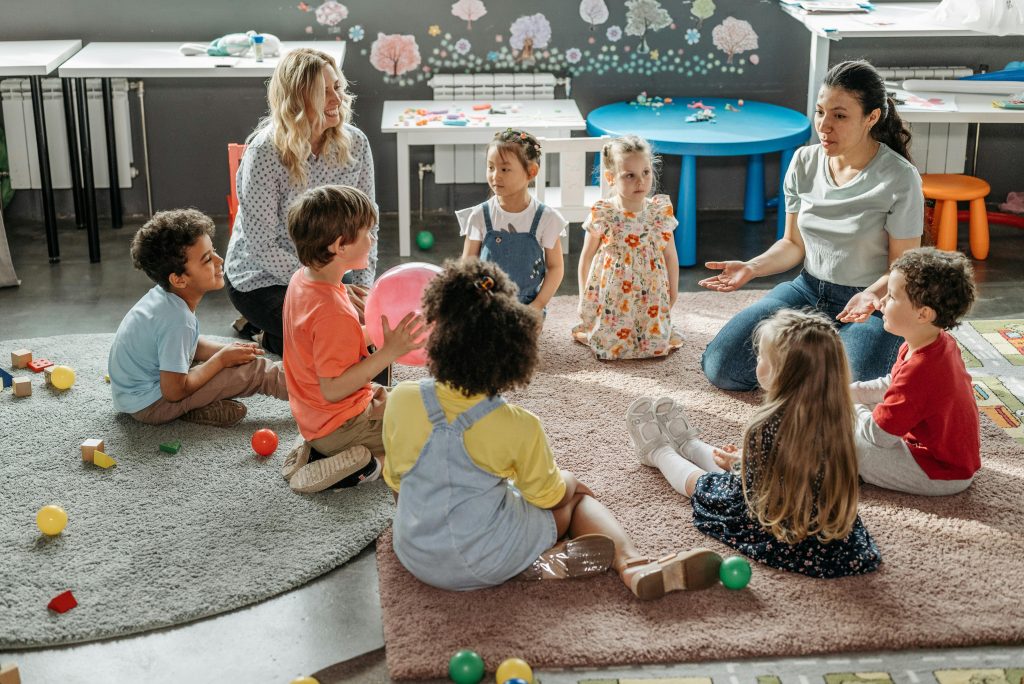
Growing skills in the early primary years
In the early primary years, students build on those foundations through:
- emotional awareness
- early self-regulation
- responsibility
- empathy
- decision-making
These aren’t extra skills. They sit underneath every successful lesson, friendship, and classroom routine.
When children can manage their emotions, understand others, and make thoughtful choices, they are better able to collaborate, navigate conflict, and engage confidently in learning.
Preparing for complexity
As students move into the upper primary years, emotional learning deepens and becomes more complex. They begin to practise:
- leadership under pressure
- upstanding behaviour
- digital citizenship
- respectful communication
- recognising triggers and regulating strong emotions
- creative problem-solving and seeking help
These skills prepare students for the social, emotional, and academic complexity of secondary school and life beyond the classroom.
From self to action to advocacy: A leadership journey
In response to this growing need, we developed a primary school emotional learning program designed to support schools, teachers, and families together.
Emotional learning is not just about helping students manage their own feelings. It’s about empowering students to positively shape the world around them.
Our program is built around a clear developmental journey:
Early years – Self-awareness Students learn to recognise emotions, notice body cues, and understand how feelings influence choices.
Middle years – Self-management and action Students practise calm responses, problem-solving, respectful communication, and responsible decision-making in classrooms, friendships, and online spaces.
Upper primary – Advocacy and leadership Students learn to stand up for others, challenge unkindness, lead with empathy, and contribute positively to their school and wider community.
This progression helps students move from:
How am I feeling? to What can I do? to How can I help others?
Through this journey, children don’t just become emotionally skilled—they become upstanders, leaders, and active contributors.
The power of the home–school partnership
When families and teachers share a common language around emotions, behaviour, and kindness, students experience consistency across their worlds.
A child who learns to name their feelings at home, practise calm responses at school, and apply empathy online and offline is building a shared emotional framework that supports wellbeing and learning.
How our program supports teachers and families
Our primary school program is designed as a whole-school, developmentally sequenced framework. Students build emotional skills step by step, year after year, following a connected learning pathway.
Emotional skills are not taught once and left behind. They are revisited, strengthened, and applied in real-world classroom, playground, and online contexts.
Teachers are supported with:
- ready-to-use, fully structured lessons that reduce planning load
- storybooks that reinforce lesson concepts
- Pat Cronin Foundation presentations
- consistent delivery across year levels
- shared emotional language for classrooms and playgrounds
Families are supported with:
- conversation guides to reinforce learning at home
- simple home activities and extension tasks
- clear language that mirrors what children experience at school
For teachers, this means fewer moments managing emotional crises, and more time teaching, connecting, and watching students grow.
By giving adults and children a shared emotional language, practical strategies, and consistent expectations, students experience their world as one supportive, aligned environment—whether they’re on the playground, in the classroom, or at the kitchen table.
Looking ahead
When we invest in emotional education early, we don’t just create better students. Together, as educators and families, we build the foundations for:
- safer schools
- stronger relationships
- young people who are ready not just to learn, but to lead, connect, and thrive
Curious about what this could look like in practice at your school?
Let’s chat. Book a call with our Education Manager to explore how the program can support teachers, engage families, and help students build the emotional skills they need for life.
Nadine Foster Education Manager, Pat Cronin Foundation
📩nadine@patcroninfoundation.org.au
📞 03 8578 2854